
Resources

Free E-books

Download useful guides and resources in PDF format.

Divorce Over 50 in California

What a Later-Life Divorce Does to Your Retirement, Your Health Coverage, and Your Home

The Silicon Valley Prenup

Protecting Your Business, Equity, and Inheritance Before You Marry

“He Said He’d Always Take Care of Me”

What Unmarried Couples Need to Know About Marvin Claims in California

Your Separate Property in a California Divorce

What Happens When You Contributed Separate Property to a Shared Asset

Our Blog

Two gold wedding rings beside reading glasses and an open notebook with a fountain pen, symbolizing a later-life gray divorce in California.
Gray Divorce: Five Things That Change After 50

Why Divorce Over 50 in California Runs on Different Rules Divorce is falling in the U.S. for almost every age group — except one. Among adults 50 and older, the divorce rate has roughly doubled since 1990. Among adults 65 and older, it has tripled and is still climbing. Researchers call it “gray divorce,” and if you’re going through one, you’ve probably already noticed that the advice written for younger divorcing couples doesn’t quite fit. Here’s the honest reason why:

Read More
Wedding rings and a fountain pen resting on a signed premarital agreement
Do You Need a Prenup? What the Experts (and the Regretful) Say

A few people who’ve been there had some things to say about prenups — some funny, some painfully honest. You either have a prenup, or the state provides one for you. — James Sexton, New York divorce attorney and author I wish I would’ve signed a prenup. The funny thing is that Nick wanted me to sign one, but I was so offended — I’m like, ‘We’re going to be together for the rest of our lives.’ And we didn’t

Read More
A caring adult holding a child's hand across a table, representing emotional support for children going through their parents' divorce or custody case.
Resources for Children in California Divorce, Custody, and High-Conflict Cases

When parents separate, children carry a weight they did not ask for. Most kids do not announce that they are struggling. They show it — a slipping grade, a stomachache every Sunday night, a teenager who suddenly has nothing to say. Parents often tell us the same thing: I know my child needs help. I just don’t know where to start. This page is a starting point. Below are the mental health, school, court, and crisis resources available to California

Read More
A judge's gavel resting beside a child's crayon drawing of a family, symbolizing how courts weigh a child's perspective in parenting plan decisions.
Why Courts Don’t Simply Ask Kids What They Want in a Parenting Plan

Parents often ask me why a judge won’t just ask their child which house they’d rather live in or how much time they want to spend with each parent. In California, Family Code §3042 lets a child’s preference count — but only kids 14 and older have a right to address the Court, and most children I see in contested custody cases are much younger. Here’s why judges and attorneys don’t just ask younger children what they want in a

Read More
You Don’t Need a Retainer in Hand to Hire a Divorce Lawyer

I hear a version of the same worry constantly: “I can’t afford a lawyer, so I guess I’m on my own.” In California, that is often not true — and the assumption can quietly cost you your case. California Family Code section 2030 exists precisely because the Legislature knew that a divorce where one spouse has the money and the other does not is not a fair fight. The statute is not a courtesy. It is a mandate directed at

Read More
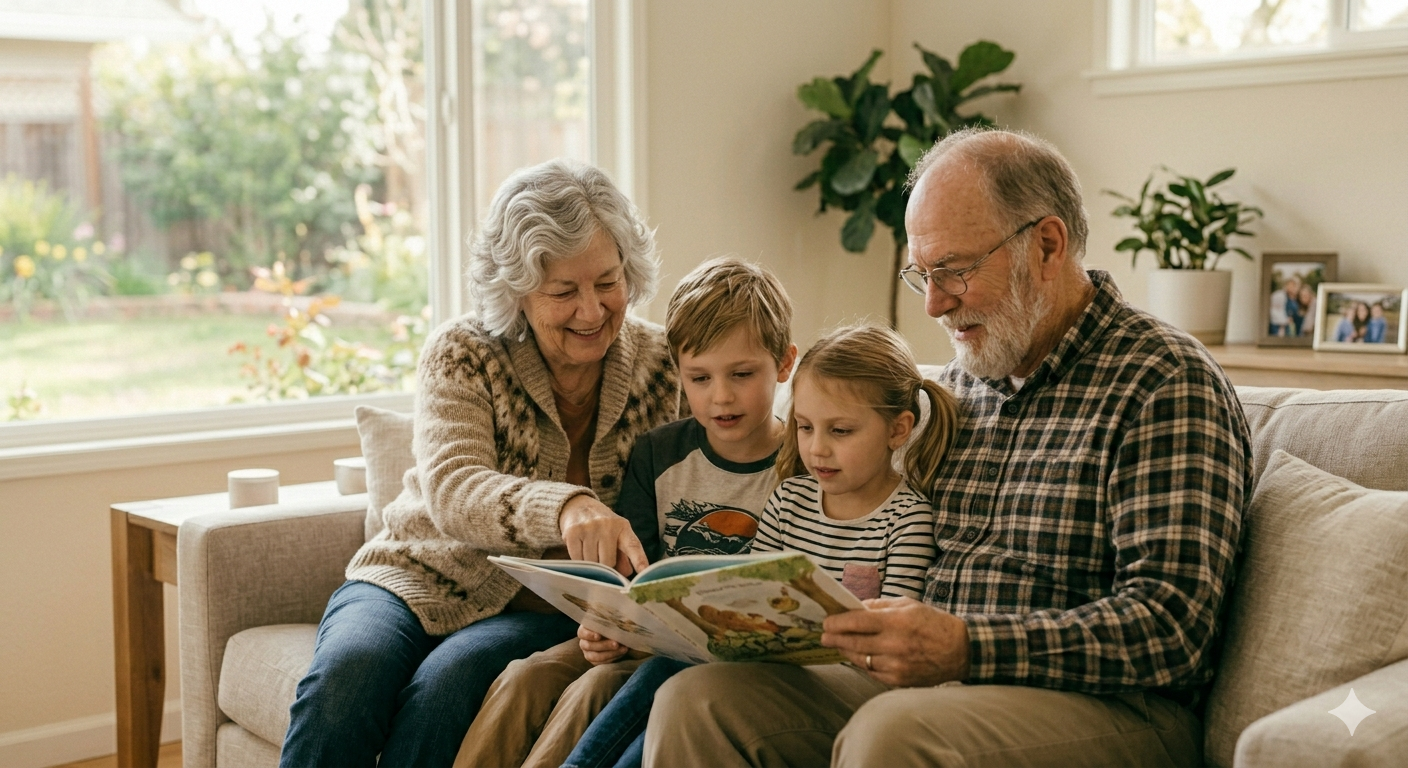
grandparents visiting grandchildren
How Your “Right” to See Your Grandkids Just Changed in California

A 2025 decision from the California Court of Appeal (Balandran v. Balandran (2025) 113 Cal.App.5th 858.) is a significant victory for parental autonomy, particularly in the sensitive context of Family Code section 3102 (providing relatives of deceased parent visitation with children). The Conflict between Mom and In-Laws After the untimely passing of David Balandran from COVID-19, his wife Felicia—the mother of their two young daughters—continued to facilitate voluntary visitation between the children and their paternal grandparents. In most months, the

Read More
stack of cash and alimony note
What “Buying Out” Spousal Support Means

A spousal support buyout occurs when the paying spouse offers a lump-sum payment to the receiving spouse in exchange for waiving all or part of their future spousal support rights. Essentially, instead of making monthly alimony payments over months or years, the parties agree that the receiving/payee spouse will take a one-time payment and give up any claim to future support, or agree to a reduced or limited amount. Why Divorcing Couples Choose a Buyout There are several reasons why

Read More
Word ALIMONY in blocks
How California Courts Calculate Spousal Support

Temporary vs. Long-Term Spousal Support California recognizes two main types of spousal support: temporary (pendente lite) and long-term (post-judgment). Temporary support is meant to help the lower-earning spouse maintain stability while the divorce is pending. Judges usually calculate it using county guideline formulas, such as those in the Santa Clara or Alameda support calculators, which factor in each spouse’s income, taxes, and deductions. Long-term support, ordered after the divorce is final, is more individualized. The judge must consider a range

Read More
large desktop calendar with date circled
Why the Date of Separation Is So Crucial in California Family Law Cases

Defining the Date of Separation In California family law/divorce cases, the date of separation marks the moment when a married couple stops living as spouses and begins living as individuals. Under Family Code §70, it occurs when at least one spouse intends to end the marriage and acts in a way that clearly shows that intent—for example, moving out, filing for divorce, or telling the other spouse the relationship is over. The date of separation doesn’t always require living in

Read More
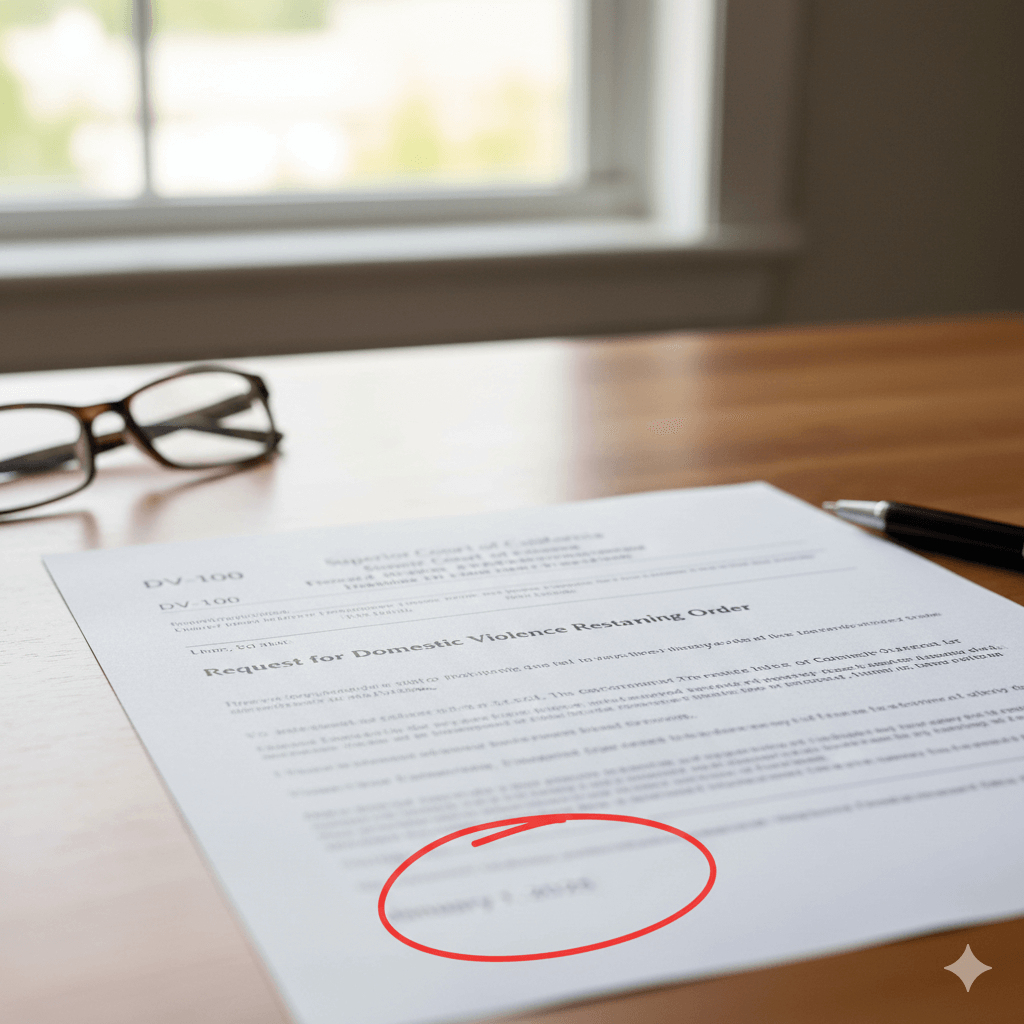
DVRO form in CA family law case
Does a California DVRO Give You a Criminal Record?

DVROs Are Civil, Not Criminal A Domestic Violence Restraining Order (DVRO) in California is issued in family law court, not criminal court. That means it’s a civil order, not a criminal conviction. Having a DVRO does not automatically give you a criminal record. Judges can grant these orders if they find, by a preponderance of the evidence, that abuse or threats occurred. This standard is far lower than in criminal court, which requires proof “beyond a reasonable doubt.” Although a

Read More